

Fundamental bioscience and technology innovation
By uncovering how biological systems function at the molecular and cellular scale, we generate the knowledge and technologies that enable transformative solutions across health, sustainability and industrial productivity.
Decoding biology for real-world applications
Our work in fundamental bioscience and technology innovation lays the scientific foundations for tomorrow’s breakthroughs.
By advancing fundamental bioscience and technology innovation, we generate the knowledge and tools that power transformative solutions across health, sustainability and industry. Our work spans pioneering new enzyme classes, catalytic mechanisms and high‑throughput engineering pipelines, alongside structural biology, NMR, crystallography, mass spectrometry and computational modelling – enabling programmable protein catalysis and predictive biological engineering.
Our fundamental bioscience and technology innovation research
Enzymes and functional protein discovery
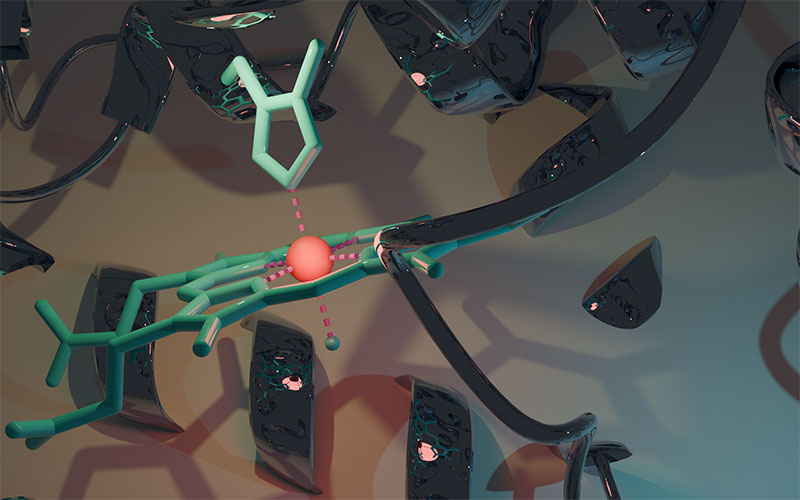
Our researchers identify, characterise and understand diverse natural and engineered proteins, revealing their mechanisms and catalytic potential.
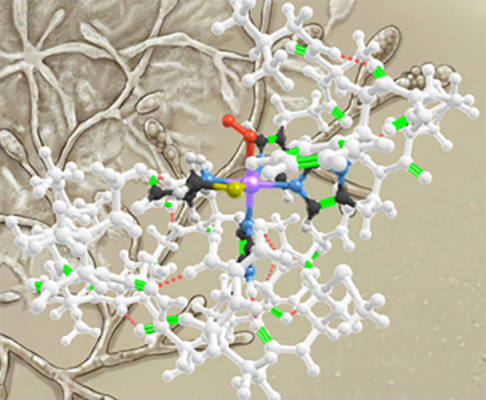
By integrating structural biology, mechanistic enzymology, metagenomics and high‑throughput screening, we uncover novel enzyme classes and expand the biochemical reactions accessible to biotechnology. These discoveries feed directly into industrial partnerships and translational pipelines, enabling new processes for chemicals, materials, antimicrobials and therapeutics.
Developing predictive, AI‑enabled tools for enzyme design and biocatalysis
We use advanced computational design, AI‑driven modelling and laboratory evolution to create biocatalysts with improved stability, selectivity and activity. Through partnerships such as the International Centre for Enzyme Design, we integrate structural prediction, machine‑learning‑guided mutagenesis and rapid experimental validation into streamlined discovery pipelines.
By combining machine learning, structural prediction, quantum chemistry and molecular dynamics, we can accurately forecast enzyme behaviour and design catalysts in silico, reducing the need for extensive laboratory screening. With new GPU infrastructure, MIB is embedding AI across engineering biology to accelerate discovery and improve translatability in sustainable manufacturing and therapeutic development.
High‑throughput analysis of protein structure and function
We use automated, robotics‑driven platforms to test thousands of proteins quickly, helping us uncover how they work and which ones have the greatest potential.
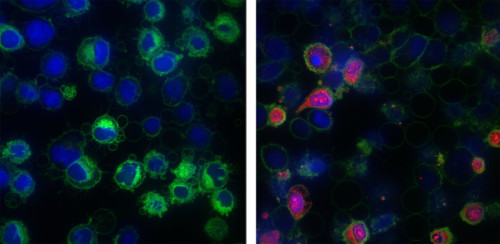
Once promising proteins are identified, we use powerful structural techniques – such as ion mobility, mass spectrometry, NMR, crystallography, and other biophysical tools – to reveal how their shape and dynamics influence their function. By combining rapid screening with detailed structural insight, we can move discoveries into real‑world applications faster and more efficiently
Synthetic genomics and genome refactoring
Our researchers construct synthetic chromosomes, engineer genome‑wide modifications and develop biocontainment systems that allow precise control of engineered organisms. Through major initiatives in synthetic yeast, minimal genomes and non‑coding gene function, we use automated design‑build‑test pipelines to refactor genomes for improved traits such as stability, productivity and biosafety.
These synthetic genomics capabilities provide powerful platforms for developing new microbial chassis, accelerating biomanufacturing, and exploring fundamental questions about the rules of life.
Understanding microbial communities
Our researchers analyse natural and engineered microbiomes, investigate microbial interactions and use computational tools to understand community dynamics. We engineer co‑cultures, microbial consortia and microbiomes using mobile genetic elements, synthetic biology and environmental genomics.
Applications span CO₂ bioconversion, waste valorisation, environmental remediation, and the development of stable production strains. This systems‑level approach allows us to design microbial communities that perform reliably in real‑world environments, supporting net‑zero innovation and next‑generation biomanufacturing.
Why does fundamental bioscience research matter?
Our fundamental bioscience research provides the essential foundations for progress across the biotechnology landscape – delivering rich experimental insights, advanced analytical tools and the innovations that enable new enzymes, materials, diagnostics and other transformative technologies.
This discovery‑led work strengthens the UK’s capability in engineering biology, fuels the pipeline of future applications and supports the collaborative, cross‑sector advances needed to maintain scientific, industrial and national competitiveness.


Explore our other research themes
Sustainable bio-based chemicals and materials
Biological solutions for environmental protection
Biotechnologies for advanced therapeutics
Get in touch
Reach out to our researchers for more information about their work, or if you have a general enquiry, please contact our team.