

Our people
Meet the researchers, technicians and support staff shaping the future of engineering biology. Our experts combine creativity, curiosity and cutting‑edge science to tackle global challenges in health, sustainability and materials.
Researchers
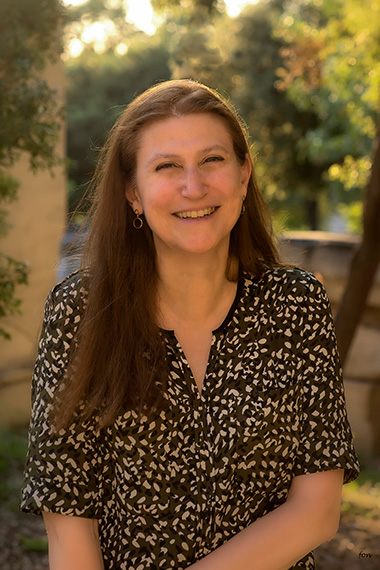
Professor of Computer Science and Director of the National Centre for Text Mining
My research focuses on developing interpretable, robust and trustworthy natural language processing (NLP) models that help us extract structured information from large-scale, unstructured text. Through the National Centre for Text Mining, I helped to pioneer the field, and developed foundational tools and platforms that model complex data relationships which support drug repurposing, clinical research and scientific discovery.
I'm currently focusing on agentic AI, culturally aware and emotionally robust large language models and cross-domain misinformation detection. I am also leading internationally recognised research in mental health NLP including developing models for detecting depression, psychosis and cognitive decline.
My previous contributions to the field include automatic summarisation, evidence-based medicine, systematic reviews, and financial NLP including systems for evidence synthesis, risk analysis, and regulatory compliance.
Alongside my roles in the MIB and NaCTeM I am also a Deputy Director of the Pankhurst Institute and an ELLIS Fellow.
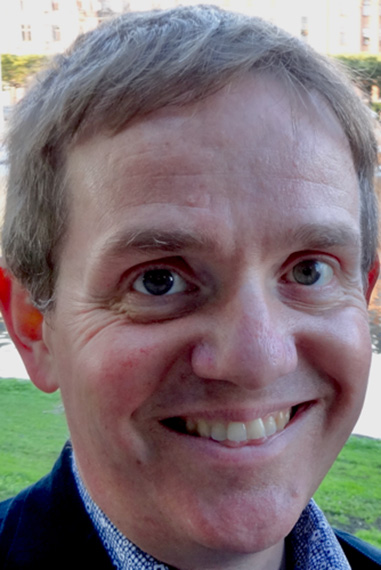
Senior Lecturer in Biomaterials
I am a Senior Lecturer in Biomaterials, and my research focuses on how conventional materials can be combined with biological components, from enzymes to living cells. Much of my recent work, including the SporeSense project, involves creating smart materials that detect fungal spores in real time to improve safety in agriculture, healthcare and other sensitive environments.
By bringing together materials science, biology and engineering, I design responsive systems that change their properties when they encounter specific chemical or biological signals. My group also develops new sensing technologies to monitor environmental conditions and add useful functionality to materials.
Collaboration is central to my work, and I partner widely across disciplines to translate scientific discoveries into practical solutions. Through teaching and mentoring, I also support the development of future materials scientists equipped to address emerging challenges in biotechnology and environmental health.
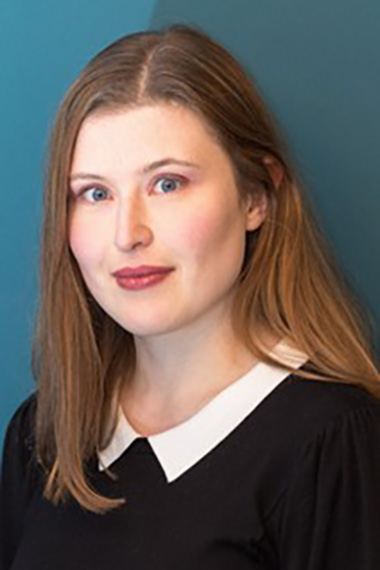
Royal Society Dorothy Hodgkin Research Fellow and Senior Lecturer in Chemistry
My research uses Electron Paramagnetic Resonance (EPR) to reveal how molecules and biomolecules are structured and how they behave. EPR is uniquely sensitive to parts of molecules that contain unpaired electrons, allowing us to study complex biological systems, including proteins inside living cells. By analysing how these electrons interact with their surroundings, we can track chemical changes, identify metal oxidation states in enzymes, and measure nanoscale distances between different parts of a molecule – information that helps us understand how proteins interact and function.
My group also investigates light‑activated systems by generating spin‑centres using laser excitation, enabling us to study important photochemical processes. Beyond biological systems, we apply EPR to chemical materials and explore how these techniques can contribute to emerging areas such as quantum information science.
I am part of the management team for the UK’s National Research Facility for Electron Paramagnetic Resonance, based at Photon Science Institute at The University of Manchester.
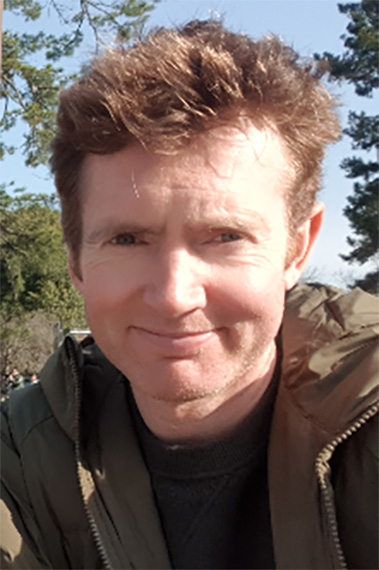
Reader
I study how to identify and analyse tiny traces of biological material in hard tissues such as bone, skin and other extracellular structures. My work focuses on developing better ways to detect and characterise proteins, especially using mass spectrometry. One of my most recognised contributions is ZooMS, a method that uses collagen “fingerprints” to identify which species a fragment of bone or skin came from. This technique has become widely used in archaeology, forensics and palaeontology.
My group applies these biochemical methods to understand how humans have influenced biodiversity through food, hunting and trade over thousands of years. We also study how proteins in bones change as they age or break down, helping us better understand long‑term preservation. Our more recent work uses spatial proteomics to map where proteins are located within tissues, giving us new insights into how they degrade over time.
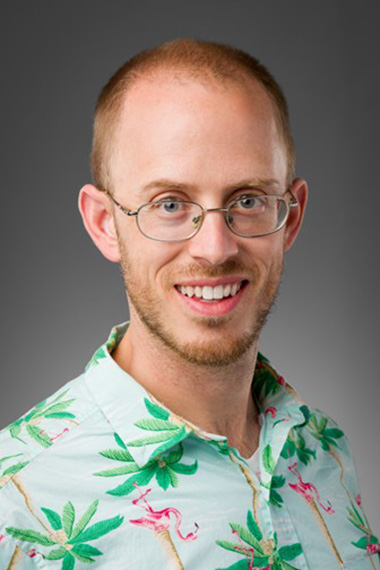
Professor of Biological Chemistry
My team and I study the fundamental chemistry of enzymes to develop new ways of making complex molecules. Our focus is on two remarkable cofactors: vitamin B6 (pyridoxal phosphate), which nature uses to build and remodel amino acids, and a synthetic version of heme in which cobalt replaces iron. By understanding how these cofactors work at a molecular level, we engineer enzymes that can perform chemistry nature never evolved.
The molecules we produce are non-canonical amino acids – building blocks beyond the standard twenty that life uses. These compounds are increasingly valuable in pharmaceutical synthesis and synthetic biology, yet they remain difficult to make by conventional chemistry. We combine mechanistic enzymology, directed evolution, and novel screening approaches to access them efficiently and with precise control over molecular shape.
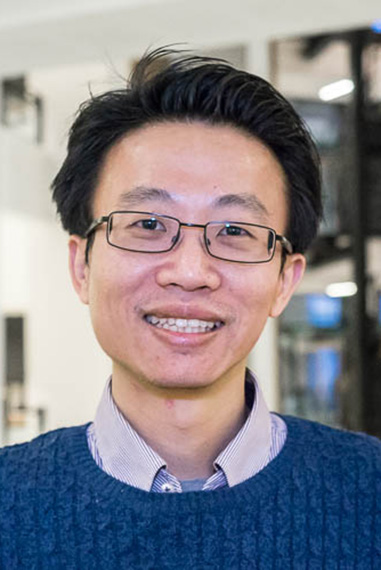
Chair of Synthetic Genomics
My research focuses on designing and building synthetic genomes – the DNA blueprints that control how living systems function. By applying engineering principles to biology, my team develops technologies that allow scientists to design, assemble and test large DNA sequences quickly and reliably.
Our work spans across kingdoms of life, from phage viruses to yeast, to crops such as potato, and human cells. We are best known for our contributions to the international Synthetic Yeast Genome Project (Sc2.0), which aims to build the world’s first fully synthetic eukaryotic genome and explore how genomes can be redesigned to create new biological capabilities.
Our research is supported by major international funders including ARIA, the European Research Council (ERC), the Chan Zuckerberg Initiative (CZI), the Wellcome Trust, and UKRI through BBSRC and EPSRC. Through these projects we are developing next-generation genome engineering technologies to enable safer and more scalable biological innovation in biotechnology, medicine and sustainable agriculture.
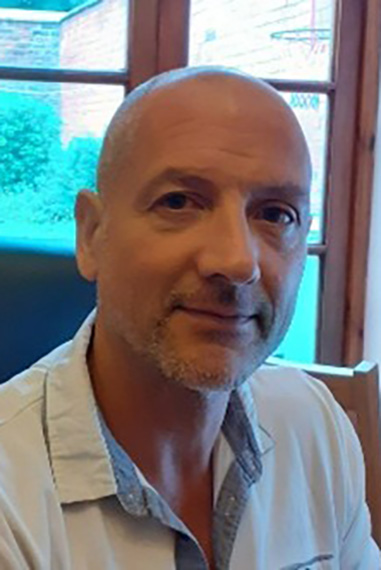
Senior Lecturer
Modern protein-based medicines, such as antibodies and gene therapies, can be difficult to manufacture and store because they are prone to instability and aggregation. This can reduce their effectiveness, increase costs, and limit patient access.
I study the fundamental forces that control how proteins behave in solution, with the aim of predicting and preventing these challenges. My research combines advanced experiments with theoretical modelling to both design more stable proteins and develop better strategies for controlling their behaviour during manufacturing and storage.
This work has broad impact across the development of next-generation biopharmaceuticals, from early-stage design to large-scale production. I carry out my research in close partnership with leading pharmaceutical and biotechnology companies, helping translate scientific insight into practical solutions that improve drug quality, reduce costs and accelerate delivery of new therapies to patients.
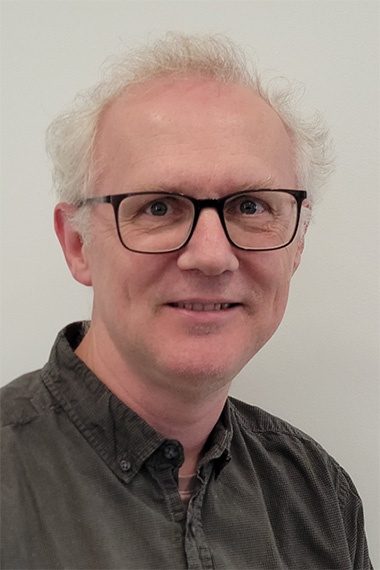
Reader in Computational Biocatalysis
My group uses quantum chemical and molecular dynamics methods to understand enzyme activity and guide enzyme engineering. Using computational tools, we study how the second coordination sphere, electric fields and charge distribution shape catalysis, providing essential insights for creating more efficient and selective biocatalysts. We also study how heme and nonheme iron enzymes contribute to natural product biosynthesis and predict how engineering can alter their selectivity.
Our work includes revealing how thiol dioxygenases like Cysteine Dioxygenase help the brain detoxify cysteine; uncovering the selectivity rules of nonheme iron enzymes in antibiotic biosynthesis enableing new antibiotic design; and analysing drug‑metabolising cytochrome P450 enzymes to improve drug safety.
We also examine the iron‑based enzymes involved in environmental detoxification, including those that break carbon–fluorine bonds, to support sustainable pollutant remediation. Alongside this, we explore biomimetic models and engineered proteins to inform new catalyst and therapeutic systems design.
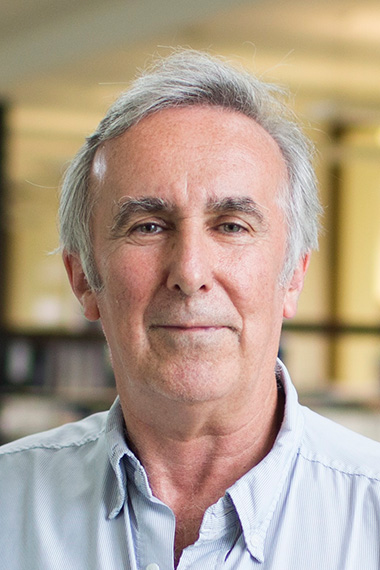
Professor of Biotechnology
My lab and I work closely with industry to improve how modern medicines are made, especially protein‑based therapies and viral‑vector medicines used in areas like gene therapy. These medicines are produced by living cells, which act as tiny “factories.” My research focuses on understanding and improving how these cells grow, how they function and how we can engineer and control them so they work more efficiently and reliably. Cell‑based manufacturing can lower costs, increase the availability of life‑changing treatments and make medicine production more sustainable.
Throughout my career, I’ve helped shape the UK’s national strategy for bioprocessing by working with government and industry partners. My work is also recognised internationally through roles with organisations such as the European Society for Animal Cell Technology (ESACT), Ireland’s NIBRT Centre, and the NSF‑funded International Biomanufacturing Network.
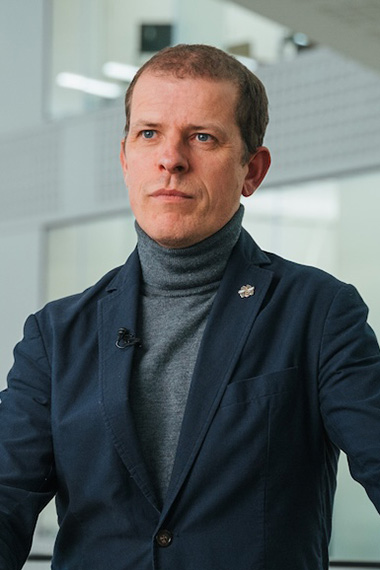
Professor of Sustainable Biotechnology and Division Lead for Microbial and Microbiome Engineering
My group and I study how microorganisms can help solve real‑world challenges in sustainability, clean manufacturing and environmental protection. Our research spans synthetic biology, biosensors, cellular transport and metabolic control.
We focus on three main application areas:
- Creating genetic sensors that let engineered microbes detect signals, regulate their behaviour and communicate with one another.
- Developing streamlined, “all‑in‑one” bioprocesses that use sustainable, non‑food plant materials to produce valuable biological products.
- Equipping microbes with mobile DNA elements carrying pollutant‑breaking genes so they can clean up harmful human‑made chemicals.
We advance these areas by developing biological and process‑engineering approaches that harness the capabilities of living systems. Our work supports sustainable development through circular, low‑carbon production and waste models, and empowers biological systems to remediate environments contaminated with xenobiotics.
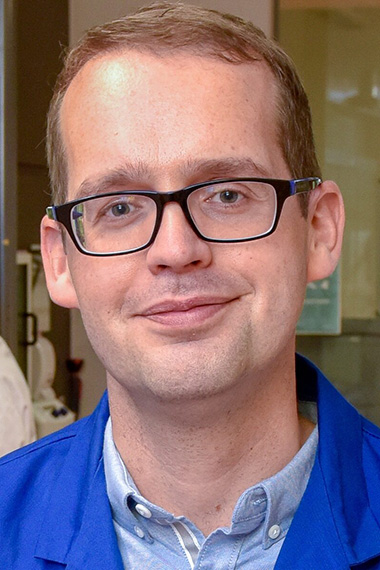
Chair of Sustainable Biomaterials
Our team takes inspiration from nature to design, discover and understand biomaterials that can advance health, biotechnology and sustainability. We are especially interested in how these materials recognise and interact with biological surfaces, including ice and the sugars that coat cells.
Our major projects include:
- Designing new materials that control how ice forms and grows, mimicking the remarkable properties of natural ice‑binding proteins.
- Creating chemical tools that improve how medicines, proteins and other sensitive biological materials are stored, transported and shared globally.
- Developing simple, rapid biosensors and diagnostics for detecting infections at the point of care.
- Engineering materials that can extract and stabilise membrane proteins – key targets for drug discovery.
- Building biotechnology tools that support cleaner, more sustainable industrial processes.
Together, this work helps solve real‑world challenges in healthcare, manufacturing and environmental sustainability by harnessing clever design principles found in nature.
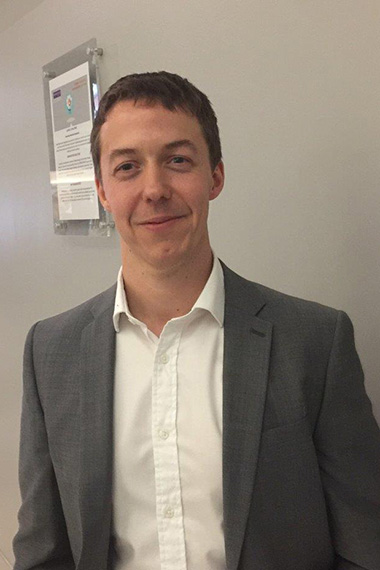
Professor of Organic Chemistry and Division Lead for Enzyme Engineering and Industrial Biocatalysis
My team and I design and engineer enzymes to perform chemical reactions that don’t occur naturally. We custom design enzymes using computational models and directed evolution which allows us to transform molecules in novel ways. Our work has led to:
- New engineered biocatalysts to help manufacture global health therapies such as molnupiravir and lenacapavir, antivirals used for the treatment and prevention of COVID-19 and HIV.
- Helping create enzymes that break down abundant plastics, such as PET, more effectively.
- Building new families of enzymes for valuable synthetic transformations that have no counterpart in nature.
- Developing photoenzymes powered by visible light that offer cheaper, cleaner routes to producing complex molecules.
By blending organic chemistry, computational design, and evolution in the lab, our engineered biocatalysts open the door to greener, more efficient and more selective manufacturing methods in industries like pharmaceuticals, agrochemicals, plastics recycling and biofuels.
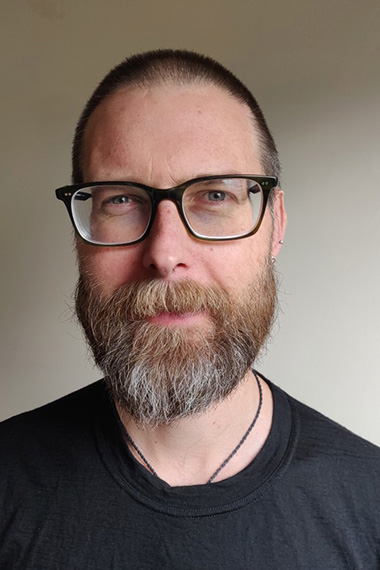
Professor of Biophysical Chemistry
My group and I study how the physical chemistry underlying biological processes shapes the way life works. We focus on how protein motions and quantum‑level effects influence enzyme catalysis, and how we can use proteins and enzymes as functional biomaterials and sensors.
To do this, we combine experimental and theoretical approaches, developing new instruments, methods and models that allow us to probe these systems in exceptional detail. Computational chemistry plays a key role in our work, helping us connect what we observe in the lab with the fundamental principles that explain it.
By uncovering how proteins behave and react at the most fundamental level, we aim to guide the design of new catalysts, sensors and biomaterials that can support advances in health, biotechnology and sustainable technologies.

Wellcome Trust Sir Henry Dale Fellow
My research group investigates human-bacterial interactions and the mechanisms of antibiotic ineffectiveness at the atomic, molecular, and pathway levels. By integrating structural biology, chemical biology, and organic synthesis, we define how bacteria disarm antibiotics and how they take advantages of the molecules from the hosts and environments to survive.
Our multidisciplinary research combines protein NMR, X-ray crystallography, whole-cell ITC, genetic code expansion, comparative genomics with other biochemical methods and bacterial assays to map the enzymes governing bacterial persistence and resistance. Our goal is to translate these mechanistic insights into blueprints for innovative drug discovery.
I am a recipient of the 2024 RSC Horizon Prize for work on sulfosugar metabolism and the discovery of new enzymes and pathways of sulfur recycling and was named as a 2024 "Rising Star" by ACS Bio & Med Chem Au for my contributions to mechanistic enzymology. These honours recognise our transformative research into the metabolic pathways and structural biology that underpin global health challenges.
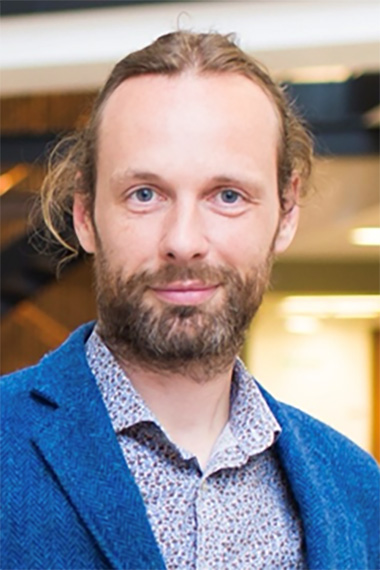
Professor in Structural Biology
Our group studies how protein structure governs enzyme function and seeks to apply this knowledge to the engineering and application of these enzymes. Many of the most interesting enzyme catalysed transformations require the presence of additional cofactors, and we specialise in the study of such systems. For example, our work has shown how reductive dehalogenases depend on vitamin B12 for activity, and we are now determining their scope to be applied in bioremediation of halogenated pollutants.
Other systems depend on the vitamin B2 derived prFMN cofactor recently discovered in our group, and these have scope to provide new routes for biofuels production which we are exploring with industrial partners.
We make use of protein crystallography to visualise enzyme mechanism in atomic detail, and are taking advantage of the latest developments such as free electron X-ray lasers to determine molecular movies of the action of light-dependent systems.
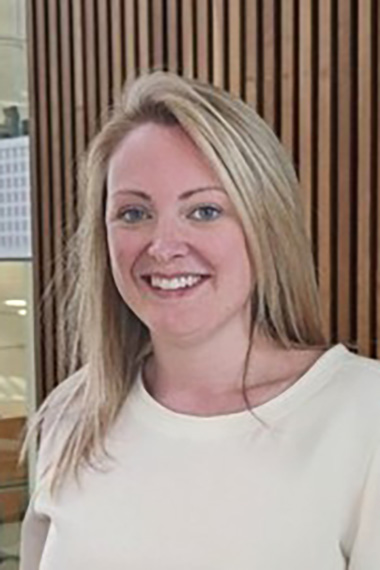
Reader
I develop new enzyme‑based methods to help make modern medicines in cleaner, more efficient and more sustainable ways. Much of my work focuses on RNA‑based therapeutics, an emerging class of medicines that includes vaccines and gene‑editing tools. These medicines are powerful, but current manufacturing methods are difficult to scale and generate a lot of waste. My group works with global pharmaceutical partners to develop enzyme‑driven processes that can produce RNA components more efficiently and in the large quantities needed for clinical use.
We are also creating technologies to make longer RNA molecules, such as those required for gene‑editing, and developing chemical tagging methods that help these molecules reach the right place in the body. Beyond RNA, we design enzyme‑based routes for producing other complex medicines, including antibody–drug conjugates and therapeutic peptides.
Our work uses advanced enzyme engineering, computational design and high‑throughput screening to create robust biomanufacturing solutions.
Dean's Prize Research Fellow
Enzymes are nature’s catalysts, driving the chemical reactions that make life possible and powering today’s biotechnology revolution. Yet their complexity means we still have much to learn about how they work.
My group and I develop new high‑throughput, microfluidics‑based technologies to uncover how enzymes function at a fundamental level. By rapidly testing thousands of enzyme variants at once, we can reveal the rules that govern their activity and stability. This knowledge supports urgent challenges in human health and biotechnology, from improving enzyme‑based therapies to designing more efficient biocatalysts.
My research background spans the molecular mechanisms of polyubiquitin chain synthesis (University of Alberta) and the development of HT‑MEK (Stanford University) – a platform that enables deep functional profiling of over 1,000 enzymes in a single experiment.
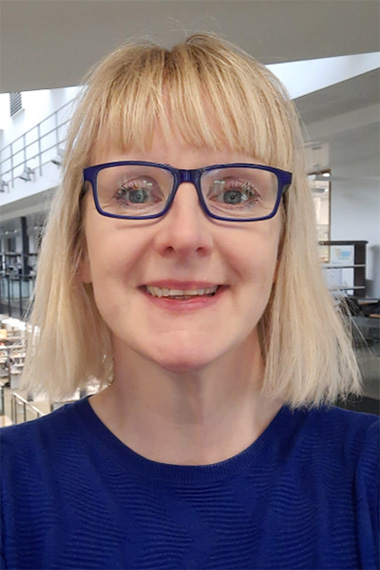
Dame Kathleen Ollerenshaw Fellow
My team and I develop bio-electrochemical platforms that use electricity to power and control multi-step enzyme cascade chemistry. Our platforms electrochemically drive sustainable biosynthesis of pharmaceuticals, incorporate CO2 into complex molecules and, as sensitive electrochemical sensors, enable discovery in enzyme and drug mechanism. The enzymes are crowded into a porous electrode and electrified through a key enzyme that exchanges electrons with the surface. By adjusting the voltage, we control the reaction rate and direction, measuring it as electrical current in real time.
Our flagship platform -the Electrochemical Leaf (e-Leaf)- uses a photosynthetic enzyme to electrically connect to cascades through nicotinamide recycling. It has led to discovery in drug mechanism, and electro-biosynthesis; we are currently using it to investigate drug effects on a liver metabolic cascade.
We are also designing next-generation platforms to access new chemical space, supporting electro-biosynthesis, CO2 reduction, sensing for enzyme evolution/engineering (cascade level), and metabolic disease research.
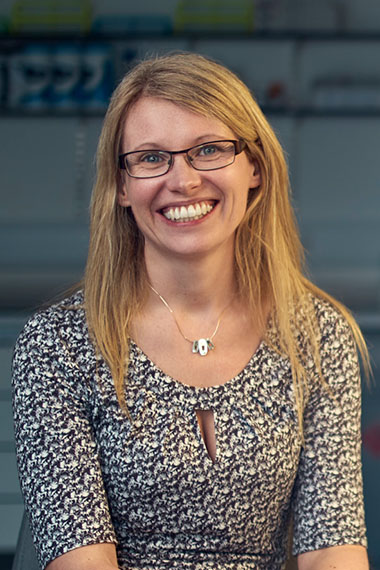
Professor of Biomolecular Engineering and Associate Vice President for Enterprise
Our Polymers and Peptides group works at the interface of chemistry, biology and materials science. We study how peptides, proteins and polymers self‑assemble across different length scales, and use this understanding to design new materials with real‑world applications. Our research has been recognised by major scientific and engineering bodies, and we have a strong track record of translating discovery into impact through industrial partnerships and the creation of Manchester BIOGEL, with a second spin‑out, Molla Pharm, on the way.
Our current projects focus on:
- Designing hydrogel materials for tissue regeneration, timed drug delivery, biosensors, animal‑free drug discovery and the cultivation of cultured meat.
- Creating and characterising self‑assembling soft materials and elastomers made from nature’s building blocks for wound repair, biodegradable plastics and personal care products.
By understanding and controlling molecular self‑assembly, we aim to develop sustainable, clinically relevant materials that address key challenges in health and biotechnology.
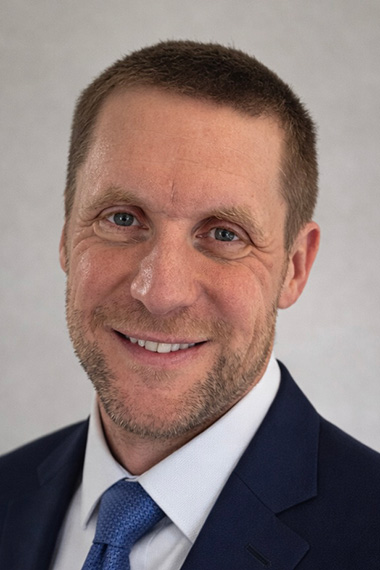
Professor of Chemical Biology
My research focuses on using chemistry to understand and tackle problems involving important biological molecules. My group and I design and build these molecules – and new versions inspired by nature – to uncover how they work and how we can use them more effectively. A major aim of our work is to create improved building blocks for DNA and RNA, including non‑natural variants that could enable new technologies. We also study sugars: how they contribute to disease, and how we can harness them in industrial processes that make everyday products.
Most of our research involves making molecules using both chemical methods and enzymes, often supported by automated systems. Across all our projects, the common theme is working with sugar‑containing molecules to address challenges in infectious disease and to advance sustainable industrial biotechnology.
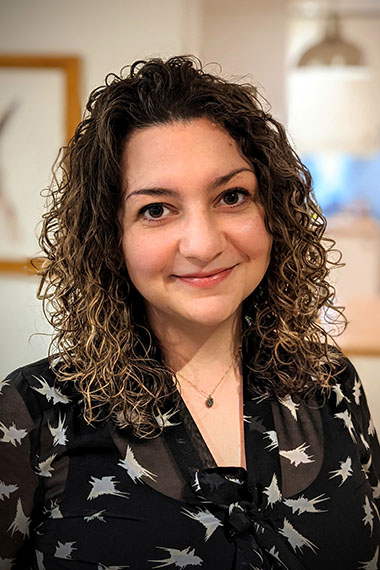
Chair of Environmental Microbiology and Biotechnology
My research aims to uncover the fundamental rules that govern how microbial communities organise, interact and function. Microbes don’t live alone – they form complex ecosystems where organisms depend on each other to carry out chemical transformations. By understanding how these microbial systems work, we can learn how to better predict, manage and engineer microbiomes for useful applications in biotechnology and environmental sustainability.
My group studies these questions in some of Earth’s most extreme environments, including hot springs and the deep subsurface. In these settings we investigate how microbial communities transform carbon – both building organic molecules from inorganic carbon sources such as carbon dioxide and carbon monoxide, as well as breaking down natural and synthetic complex organic matter for energy. We are interested in how microbial activity influences the fate of carbon underground, including whether microbial processes could be stimulated to help stabilise CO2 in mineral forms during geological carbon storage.
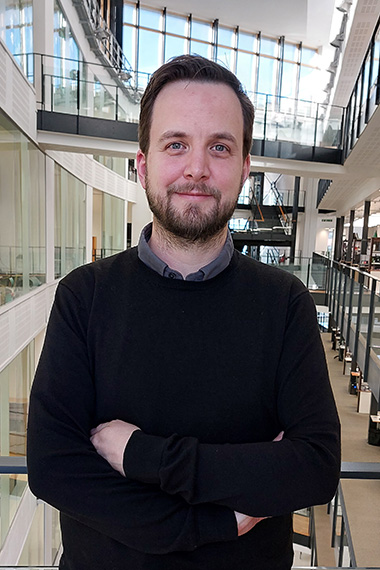
BBSRC Discovery Fellow
My team and I engineer proteins and peptides to create new biological functions, spanning catalysis, molecular recognition, and phase behaviour. We combine protein design with directed evolution to develop new enzymes and engineer liquid–liquid phase separating proteins, and identify functional peptides through de novo discovery. Aspects of our research include biocatalysis as well as genetic code expansion for accessing new chemical and functional space.
Specifically, we use ultra-high-throughput experimental technologies, including droplet-based microfluidics, display technologies, and selection systems, which allow us to efficiently explore the sequence space of peptides and proteins. By building biological function from first principles and refining it through iterative rounds of directed evolution, we aim to gain fundamental insight into protein sequence–structure–function relationships and develop robust tools for biotechnology and synthetic biology.
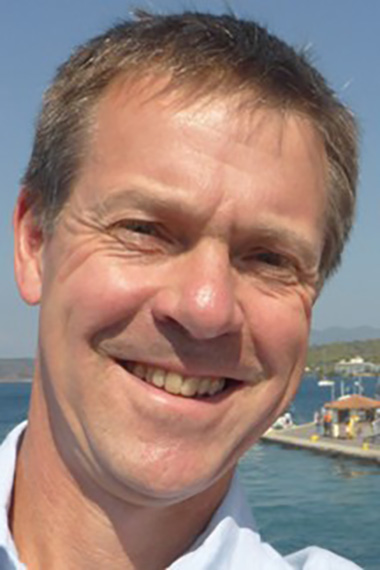
Professor of Chemistry
Our research is best described as chemical biology; the application of chemical tools and methods to understand biology. We focus on the analysis of biological systems and the main technique we use is chromatography coupled to mass spectrometry.
We study a wide range of biomolecules including proteins, lipids and metabolites and try to determine how these are related to the complex biology going on in cells and organisms. This ranges from the study of fundamental biochemical questions, such as how the composition of the membrane around cells affects the activity of the proteins in the membrane, many of which are important targets for drugs and how the reaction of proteins and lipids with oxygen affects their biology, to studying human health by discovering biomarkers that are valuable for accurate diagnosis of diseases, understanding the underlying mechanisms of disease and studying the effects of drug intervention.
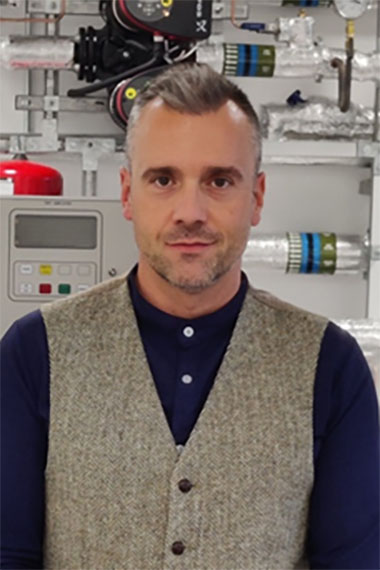
Reader in Membrane Protein Structural Biology and EPR Spectroscopy
My group studies the proteins embedded in cell membranes that control how cells sense and respond to their environment. These membrane proteins are central to normal cell function, are involved in many diseases and make up a large proportion of today’s drug targets.
We study how these proteins change shape and activity when they experience physical forces, interact with membrane fats or bind to drugs and natural molecules. These changes determine whether a protein is switched on or off, and understanding them helps explain both healthy biology and disease.
Our work has helped reveal the mechanisms of:
- human potassium channels expressed in neurons and involved in pain perception
- mechanosensitive channels that protect bacteria against osmotic shock and prevent cell lysis
- allosteric inhibition in membrane-bound pyrophosphatases
- pH dependence in secondary peptide transporters
- the BAM folding machinery in cells in the presence of antibiotics
This is supported by advanced techniques such as electron paramagnetic resonance (EPR) spectroscopy, which tracks movements within proteins, and cryo‑electron microscopy (cryo‑EM), which allows us to visualise proteins at very high resolution and contributes to our fundamental understanding of proteins that is used by the pharmaceutical industry to develop novel drugs and improve the efficacy of current antibiotics.
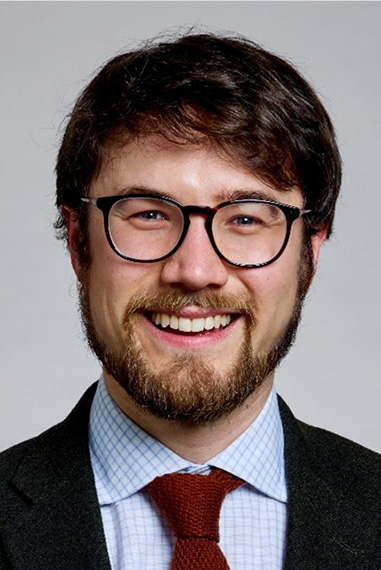
Royal Society University Research Fellow and Dame Kathleen Ollernenshaw Fellow
My research group and I are interested bioinorganic catalysis; finding new ways to combine metal and enzyme reactivity to solve problems in sustainable chemistry. Our research focuses on metalloenzymes (both natural and artificial) and hybrid metal-enzyme catalytic systems.
This work has applications in many different areas and we collaborate with industrial partners in the pharmaceutical and fine chemical sectors to develop new approaches to clean manufacturing and environmental remediation.
We have had recent success in developing synthetic routes to isotopically labelled compounds and speciality sugars for medicinal and imaging applications leading to a spin-out venture (Deuterose). Much of our research revolves around metalloenzymes that can selectively make and break difficult bonds (C-H, C-OH, C-F), and we therefore work closely with spectroscopists and theoreticians to gain a fundamental understanding of how these systems function.
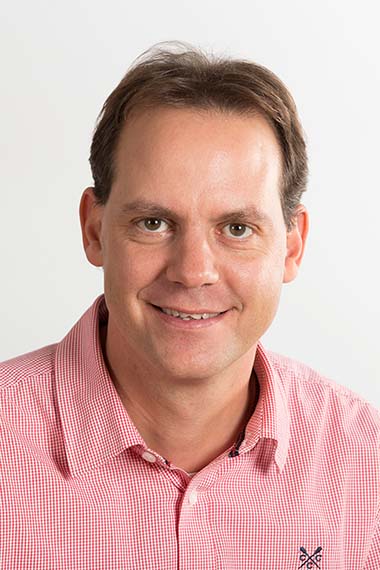
Professor of Molecular Materials
My research spans polymer and biopolymer biomaterials, with a focus on understanding how chemical structure, thermodynamics, and molecular organisation shape the properties of complex polymer systems. By uncovering these relationships, I aim to design new materials that can make a real difference in healthcare and biotechnology.
In 2014, I co‑founded Manchester BIOGEL, which developed advanced peptide‑based hydrogels (PeptiGels®) now used across the life‑science and biomedical sectors; the company was acquired by Cell Guidance Systems in 2023. I was elected a Fellow of the Royal Society of Chemistry in 2016, and in 2022 I joined the Division of Pharmacy and Optometry to help translate our biomaterial technologies from the lab to the clinic.
My work combines fundamental science, industrial collaboration and translational research to create new biomaterials with real‑world impact.
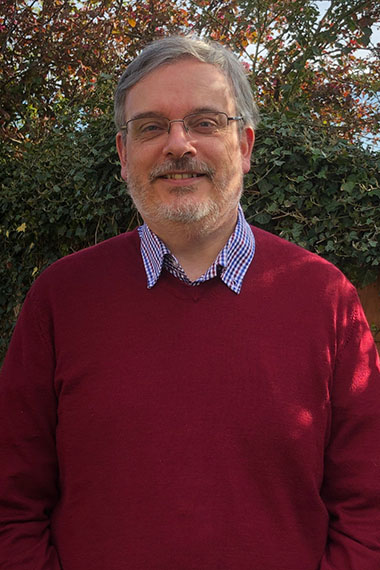
Professor
I am a former Director of the Manchester Institute of Biotechnology (2010–2019), during which the Institute was awarded the Queen’s Anniversary Prize for its leadership in biotechnology and biomanufacturing. I have also led the EPSRC Future Biomanufacturing Research Hub and the BBSRC‑funded Synthetic Biology Research Centre, SYNBIOCHEM. Alongside my academic work, I am a Founding Director of C3 BIOTECH Ltd, which develops sustainable, biology‑based fuel technologies.
I was elected a Fellow of the Royal Society in 2020, and my research has been recognised through awards including the Biochemical Society Colworth Medal, the RSC Charmian Medal, the RSC Rita and John Cornforth Award, the RSC Interdisciplinary Prize and a Royal Society Wolfson Research Merit Award.
My research group studies enzyme catalysis, combining quantum tunnelling, mechanistic and structural biology, synthetic biology and biomanufacturing to develop new bio‑based chemicals, fuels and sustainable industrial processes.
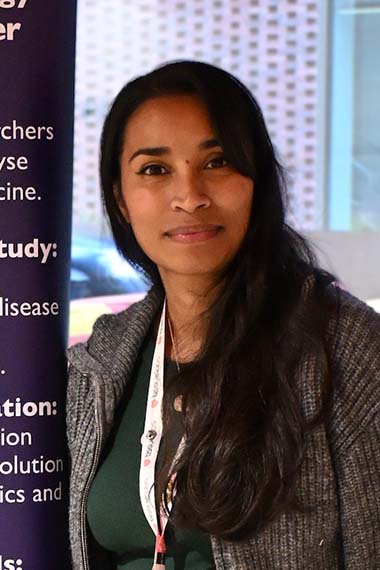
Dame Kathleen Ollerenshaw Fellow in Biophysics
My lab develops human‑tailored microfluidic organ‑on‑chip platforms to study how microbes interact with the body and to identify functional disease signatures in complex biological environments. We focus on how microbial communities behave when exposed to physiologically relevant conditions – including flow, spatial organisation, oxygen and nutrient gradients, and host secretions – all of which strongly influence both microbial activity and human tissue responses.
Using gynaecological and other mucosal models (such as vaginal, fallopian tube, lung, gut and skin systems), we recreate key features of the in vivo environment that are lost in traditional static cultures. These platforms allow real‑time imaging alongside molecular and biochemical readouts, letting us link microbial composition and behaviour to specific host responses.
Our aim is to move beyond descriptive microbiome profiling toward mechanistic, predictive models that connect microbial interactions to measurable disease‑relevant outcomes. This provides new tools for disease modelling, therapeutic testing and translational research without relying on animal models.
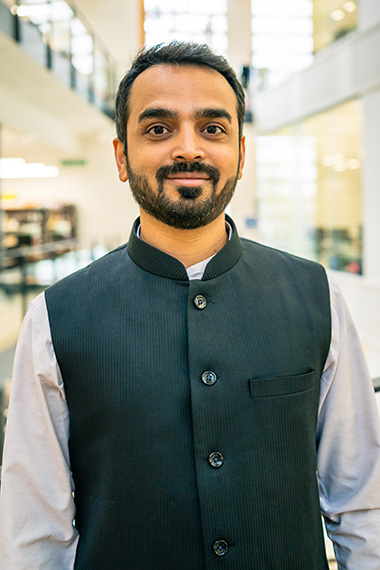
CAMS Lecturer in Analytical Measurement Sciences
I am a biomedical scientist working at the intersection of analytical chemistry, metabolomics and data‑driven discovery. My research group and I focus on developing non‑invasive diagnostics for infectious and neurodegenerative diseases. This includes pioneering smell‑based metabolomics approaches for rapid tuberculosis detection and identifying biomarkers linked to Parkinson’s.
With a background in biomedical sciences and a PhD in metabolomics, I have contributed to global collaborations in counterfeit medicine detection, cancer research, tropical diseases and clinical and microbial metabolomics. My work was recognised with the Royal Society of Chemistry Horizon Prize in 2021. I also help train future analytical scientists through cross‑faculty teaching and serve as data analytics co‑chair for the Community for Analytical Measurement Science (CAMS).
I am also a co‑founder of Sebomix Ltd, which develops rapid diagnostic tests using skin secretions.
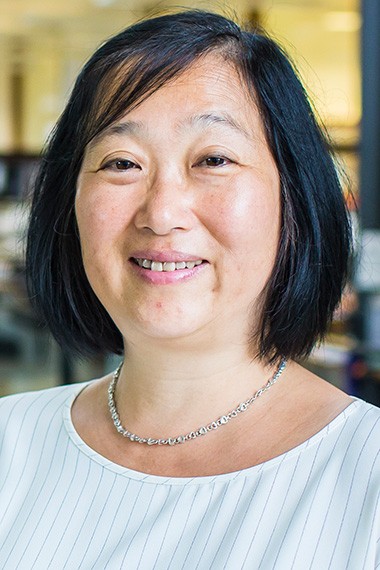
Professor of Synthetic Biology
My research focuses on harnessing biological systems to create useful and sustainable solutions for society. To achieve this, I reprogramme microorganisms, such as bacteria, so they can produce valuable chemicals, medicines and materials in cleaner and more efficient ways than traditional industrial processes.
My group studies how microbes naturally make complex compounds, and we redesign their internal pathways so they can produce these molecules at higher levels or generate entirely new ones. This work supports advances in drug development, green manufacturing and reducing our dependence on fossil‑fuel‑based chemistry.
I am committed to education, mentorship and collaboration, working closely with students, industry partners and researchers worldwide. Through this work, I aim to make biotechnology more powerful, sustainable and impactful, helping transform scientific discoveries into real‑world benefits.
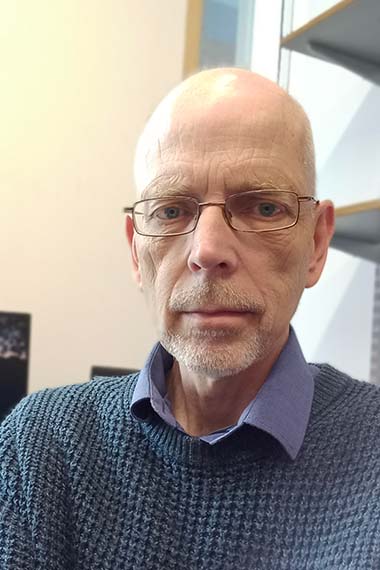
Professor
I am a computational biologist developing methods to better understand – and predict – how proteins work. Proteins can be folded, unfolded, or a mixture of both, and this balance is strongly influenced by how polar and non‑polar amino acids interact along the chain. My group builds models that predict these interactions and how they shape protein behaviour.
Right now, we focus on pH and pH‑dependent effects. pH matters because many chemical groups in proteins bind hydrogen ions, changing charge and altering structure and function. With recent advances in AI‑based protein modelling and large‑scale ‘omics data on how cells respond to pH changes, we can now begin to predict how pH variations inside and outside cells influence protein behaviour.
This knowledge has important applications in biotechnology, such as improving protein production, and in biology, including understanding processes like cell adhesion.
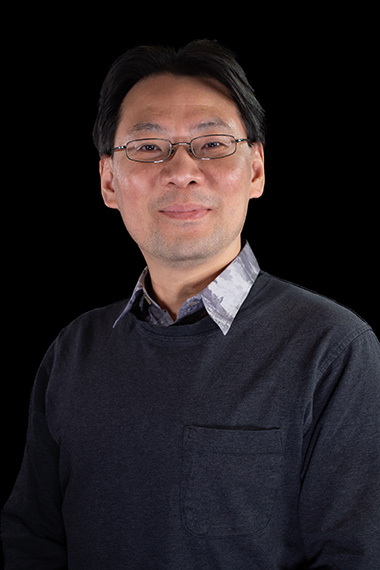
Reader
My laboratory focuses on harnessing enzymes to support sustainable chemistry and advance new sensing technologies. We are particularly interested in enzymes that carry out oxidation reactions and those that act on silicon‑containing compounds. By uncovering the molecular mechanisms behind these reactions, we aim to engineer enzymes that can drive greener chemical synthesis and break down waste polymers more efficiently.
Alongside this, we develop enzyme‑based tools for detecting and studying genetically heritable diseases. These diagnostic approaches can offer faster, more precise ways to identify disease‑linked molecules.
Overall, my work uses the remarkable capabilities of enzymes to create cleaner manufacturing routes, support environmental sustainability and improve biomedical detection.
Technical specialists
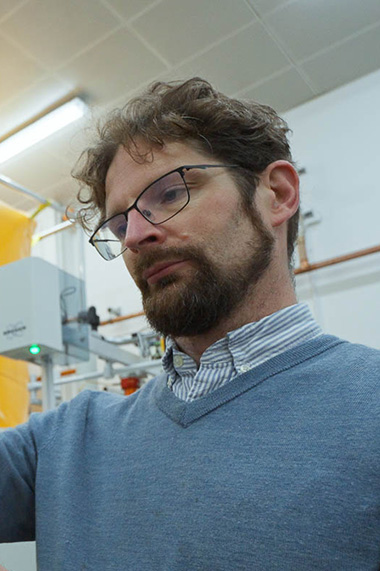
Expert Technical Specialist in Magnetic Resonance
For over 20 years I have used biomolecular NMR to work out how proteins are built, how flexible they are and how they interact with other molecules. My research looks at enzymes that move phosphate groups around a key step in how cells store and use energy and at “intrinsically disordered” proteins, which don’t hold a fixed shape but still play important roles in cell signalling and disease. More recently, I have been developing methods that combine NMR with directed evolution to help improve single-domain antibodies and enzymes.
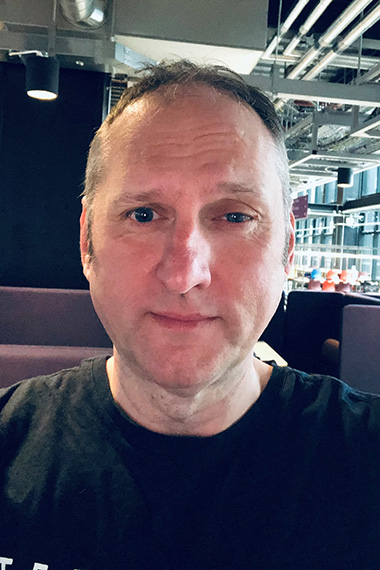
Senior Technical Specialist in Lab Automation
In 2023, I became Senior Technical Specialist for lab automation. I develop automated workflows and high throughput solutions that make lab processes faster, more consistent and easier to scale. I now manage the BioAutomation facility in the MIB, and in 2024 I was appointed Royce Technology Platform Lead for Automated Engineering of Biology for Material Discovery.
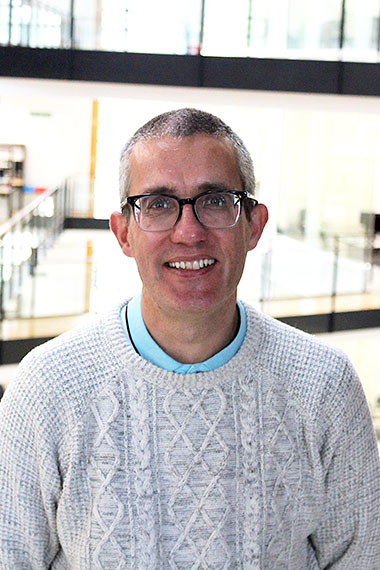
Expert Technical Specialist in Biophysical Spectroscopy
I am an expert technical specialist in biophysical spectroscopy and lead the biochemical and biophysical sciences research facility in the Faculty of Science and Engineering (FSE). I have significant expertise in using kinetic and spectroscopic techniques to characterise biomolecule structure and function and have developed a range of cutting-edge biophysical tools in the Manchester Institute of Biotechnology to understand the mechanisms of biological systems to aid multiple biomolecule engineering projects.
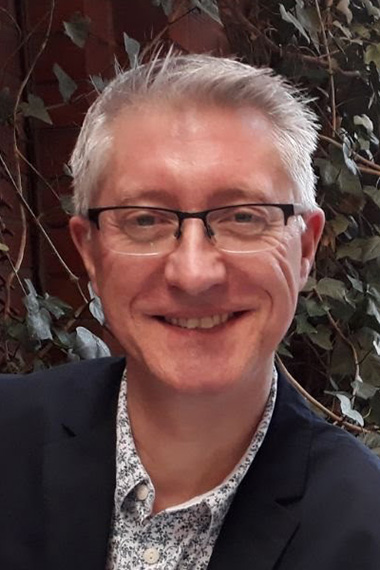
Senior Technical Specialist in Digital Systems Architecture
I help researchers make the most of their data. I have over 30 years of experience in data analysis, including statistics and machine learning. I build practical digital tools—such as software, databases and websites—that help people collect, organise, convert and analyse information, so it can be used reliably in research and shared more easily. I also support good practice in open research and research data management at the University. Alongside this, I’ve contributed to projects that use advanced imaging and measurement methods to study materials and biological samples. Outside the University, I run training in data analysis and teach on specialist courses, and I contribute to professional societies focused on spectroscopy and data standards.
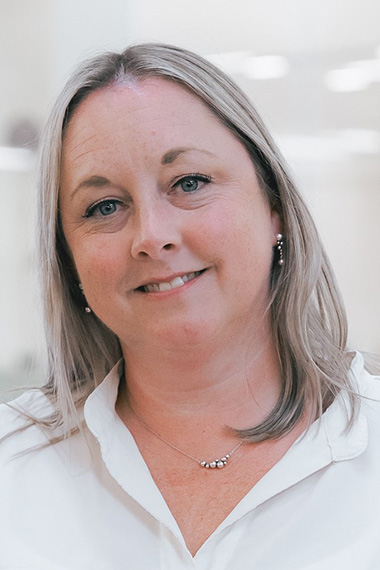
Expert Technical Specialist in Mass Spectrometry and Separations
I am an expert technical specialist in mass spectrometry and separations and lead the Faculty of Science and Engineering’s core facility. I have significant experience in the development of bespoke chromatography methods and the characterisation of small molecules through the application of mass spectrometry.
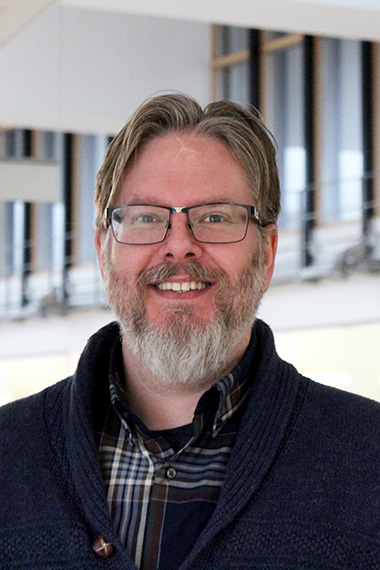
Senior Technical Specialist in Computational Chemistry and Biochemistry
Since 2014 I have worked at the Manchester Institute of Biotechnology helping research groups use computational chemistry to interpret experiments and understand the chemistry and biophysics behind what they observe. I work with a range of methods, from quantum calculations to protein–ligand docking and molecular dynamics simulations.
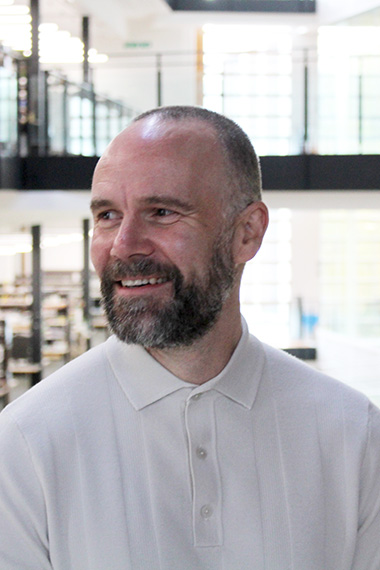
Expert Technical Specialist in X-ray Diffraction
I head the X-ray diffraction core facilities at The University of Manchester covering chemical, biological, materials and earth sciences. As macromolecular crystallographer with over 23 years of experience, I have supported a breadth of research and amassed over 6000 citations with a current h-index of 43. Working closely with academics I support single crystal macromolecular structure determinations, serial crystallographic studies and time resolved synchrotron and X-ray free electron laser (XFEL) investigations. I am an elected member of the Diamond User Committee offering feedback and user perspective on operations and proposed upgrades to Diamond Light Source.
Reach out to us
Get in touch
Reach out to our researchers for more information about their work, or if you have a general enquiry, please contact our team.